Dieudonné was away at boarding school when his father was murdered. The assassination of President Melchior Ndadaye lit the flame, and the nation slipped into civil war once again. A church leader in the community invited Dieudonné’s father, along with others from his ethnic group, to a meeting which turned out to be a trap. His father was buried in a mass grave.
Meanwhile, Emmanuel’s would-be murderers were some of his high school classmates whom he had been studying alongside for seven years. They ate together, slept in the same dormitories, and sat next to each other in class. They even worshipped in the same church. Yet, Emmanuel received the shocking, baffling news from a trusted friend that some boys were planning to kill him. Why? Simply because of his ethnicity…
Every family in Burundi has stories like this. And whilst the nation faces many challenges: food insecurity, crumbling infrastructure, and skyrocketing inflation, to name a few, these issues are symptoms of a deeper problem.
Memories are long, and wounds are deep. As the revolving door of violence has turned, families that were once victims of violence often become perpetrators in acts of revenge. Emmanuel highlights that “many survivors live with their perpetrators…They continue to meet and interact in daily life.” So even when the nation is at peace, suspicion remains. And as the years tick past, the shoulders of the nation tense, wondering when the next cycle will begin. Long-term change will require deeper healing.
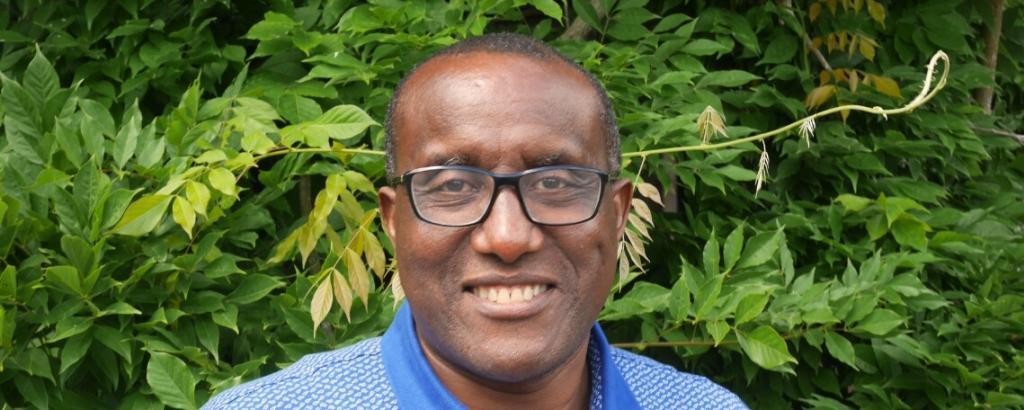
“Burundi Needs To Forgive”
When the mob of classmates arrived at Emmanuel’s dormitory, he escaped by hiding, but the next day he confronted his fellow students, persuading them to abandon their plot and apologise. After another attempt on his life two weeks later, friends from his own ethnic group plotted a counter-attack, but once again “I told them they would have to kill me first before killing any other boys.” He became the student leader of successful peacemaking efforts in the school – a glimmer of hope in a nation torn apart.
Years later, the man who killed Dieudonné’s father was at a community event when a young man who looked strangely familiar walked towards him. When he discovered the young man’s name, he turned to flee, fearing a bullet in his back or a machete falling upon his head, but that was not why Dieudonné had come.
Dieudonné remembers his internal struggle, “How could I forgive him? This man made me an orphan. He was even a church leader! But the Lord forgave me, so I can forgive him. When I did, it was like 500kg left my shoulders.“
Dieudonné told the killer that he had forgiven him, even gathering the village around his father’s grave to preach a message of reconciliation. “But forgiveness is not only words – you have to do something.” Dieudonné’s forgiveness was put on display when this murderer died; Dieudonné paid the school fees for
his children.
It’s a stunning story, but Dieudonné does not want to be the focus of our attention. Rather, he wants his story to inspire: “We spend too much time thinking about the past. The past divides us, but when we think about the future, it unites us.” But unity cannot grow in the soil of mistrust. It will only come through reconciliation, which is fuelled by forgiveness. “I believe as soon as Burundians reconcile, Burundi has enough resources to flourish“
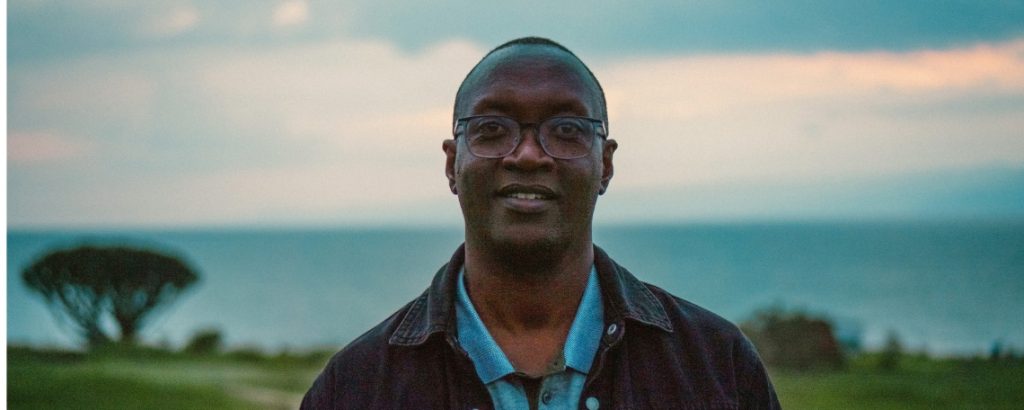
Marked by his experiences, Emmanuel has pursued academia to tackle the complex relationship between reconciliation and justice. His doctoral dissertation at Oxford Centre for Mission Studies draws on personal research in his own nation to explore how forgiveness can bring an end to ethnic violence. A powerful insight is the importance of listening when people are given the space to share their personal stories in an environment of compassion, rather than suspicion. In those moments, former enemies can begin to see one another not merely as ‘Hutu’ or ‘Tutsi,’ but as fellow human beings carrying pain, grief, and hope. This kind of deep reconciliation can only happen slowly.
More Than Words
Most readers will never have to forgive something as horrific as the murder of a family member, and the dramatic stories of these leaders might feel far removed from our experience. But all of us have been, and will continue to be, hurt by others. And we have a choice as to how to respond. “Forgiveness is not a weakness, ” Dieudonné urges us to understand, “when you refuse to forgive somebody, it’s like you give them a remote control. No matter where they are, every time you think about them it hurts vou.” Emmanuel’s research concludes that forgiveness is not the denial of justice, nor the forgetting of suffering. Instead, it is a courageous decision to break the cycle of hatred and retaliation. It was a choice he had to make for himself. “It’s not just a feeling, it’s not sentimentality,” Emmanuel discovered, “forgiving is a change of mind. And when you decide, you know the cost of it.”